


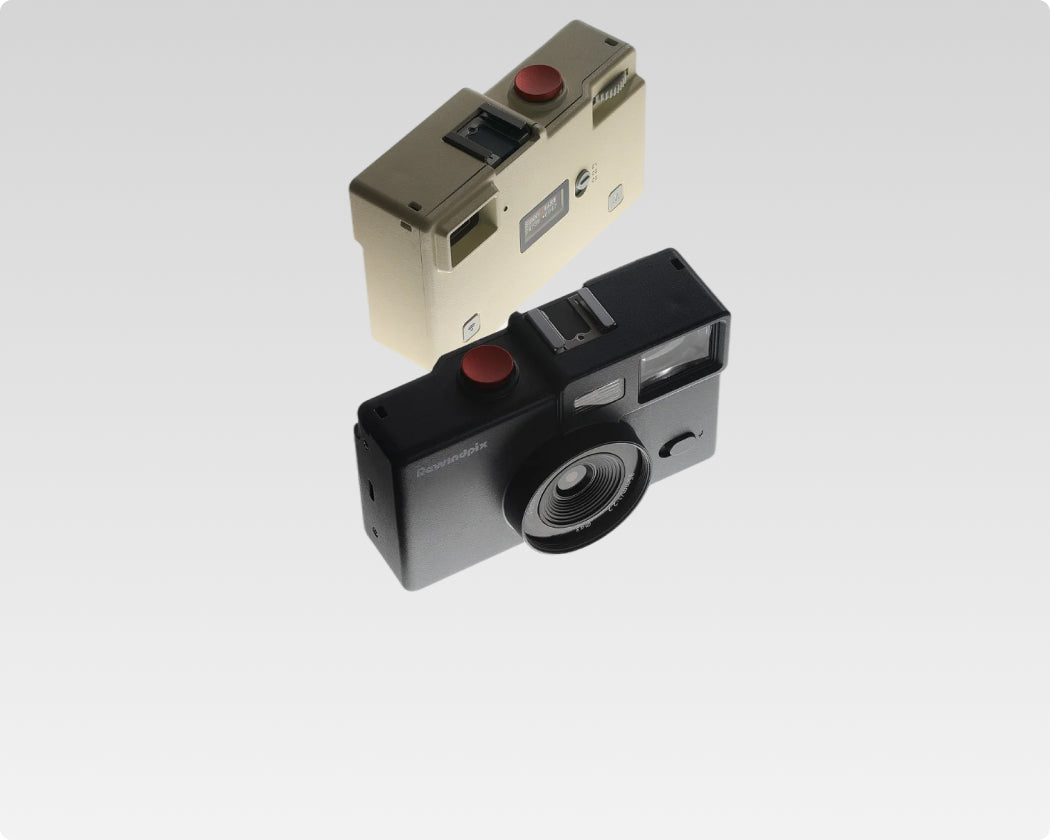

Shutter lag is one of the most commonly reported pain points across almost all screen-free digital cameras. So when I decided to build my own, minimizing shutter lag became one of my top priorities from day one.
The screen-free digital camera = live in the moment and that moment shouldn't arrive 0.5s to 1s after, let you guessing the timing.
The screen-fee digital camera = casual point and shoot and shouldn't let you freeze like a statue for a full second after pressing the shutter button. It is not casual at all.
After digging deep into how shutter lag actually happens and going through several rounds of testing, I found that the causes are fairly consistent. In most cases, shutter lag comes down to two main factors.
1. Limited processing capability of the in-camera chips:
Most of the screen free cameras used low-end image processers, they lack of bandwidth and computing power to process and store the image quickly, thus cause a 0.5-1s lag effect.
Rewindpix solution: use a mid range image processer chip. It will drive the BOM cost a bit higher, but worth the upgrade to capture decisive moment.
2. Over complex film simulation processing tasks in the imaging pipeline:
Film simulation is a huge part of the selling point of screen-free cameras. But in many cases, manufacturers stack too many processing tasks into the workflow: LUTs (often just basic 1D LUTs), grain simulation, vignetting, denoising etc, all running on extremely limited hardware. When you push that much work onto a small, underpowered chip, the result is predictable. The camera struggles, especially in complex lighting situations. It’s like feeding too much information into a very small brain and slowness becomes inevitable.
Rewindpix solution: Rewrite the LUTs and grain application pipeline algorithm, and optimize metering process through more advanced ISP tunning.
With a faster processor and an optimized image-processing pipeline, Rewindpix reduces shutter lag to an absolute minimum. Image capture is so fast that it becomes effectively unnoticeable, at least according to feedback from our internal testers.
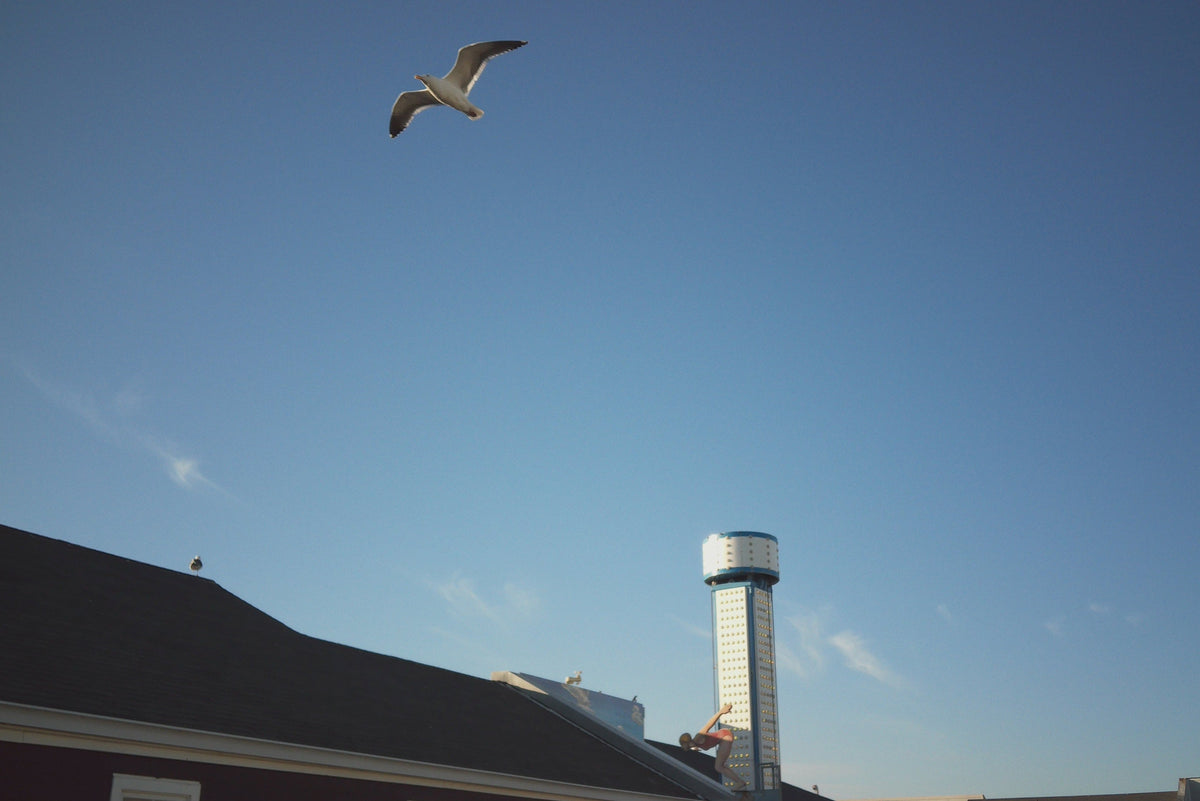
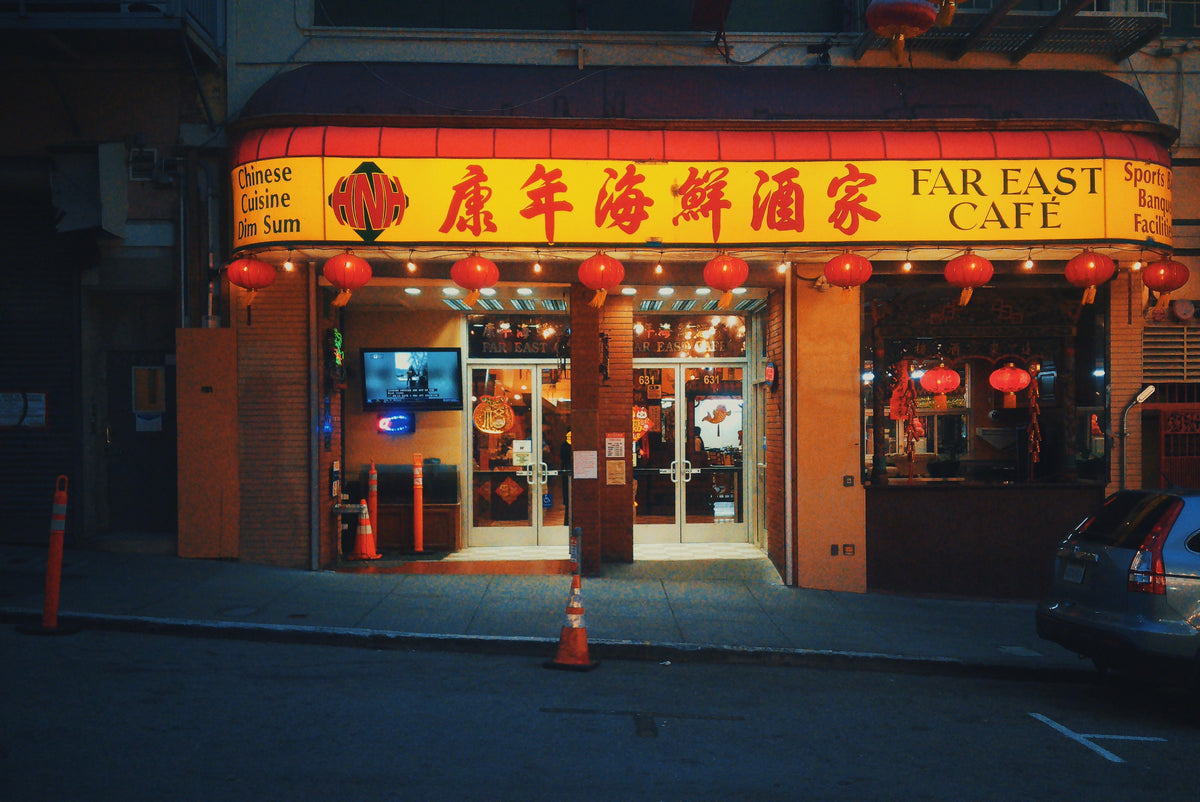
Once again, a picture is worth a thousand words. Below are some recent field tests showing Rewindpix capturing low-gliding birds near pier 39, SF. (Original photos, SOOC, no filter applied)


check the right of the pic, you can see a flying sparrow

check the left, a close range flying pigeon. Sorry, I forced it to fly a bit


Seagull captured between poles, I guess the travel speed between the poles is around 0.1s-0.2s. Salute to my reflection as well.

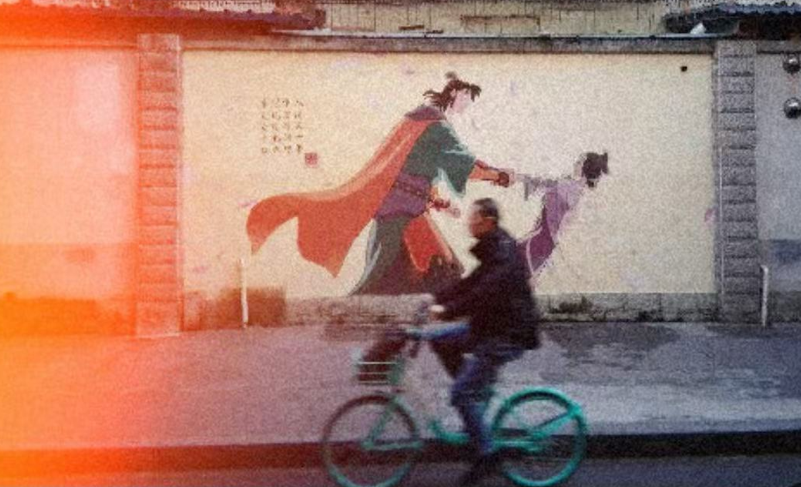
Final bonus pic: a running man at the left while I am testing metering in complex lighting.
I guess the above show case that Rewindpix successfully nailed the shutter lag issue for screen-free digital camera. A step closer to my goal: build a screen-free digital camera shoot like a true point and shoot, instead of point-shoot-freeze.

Leave a comment
This site is protected by hCaptcha and the hCaptcha Privacy Policy and Terms of Service apply.